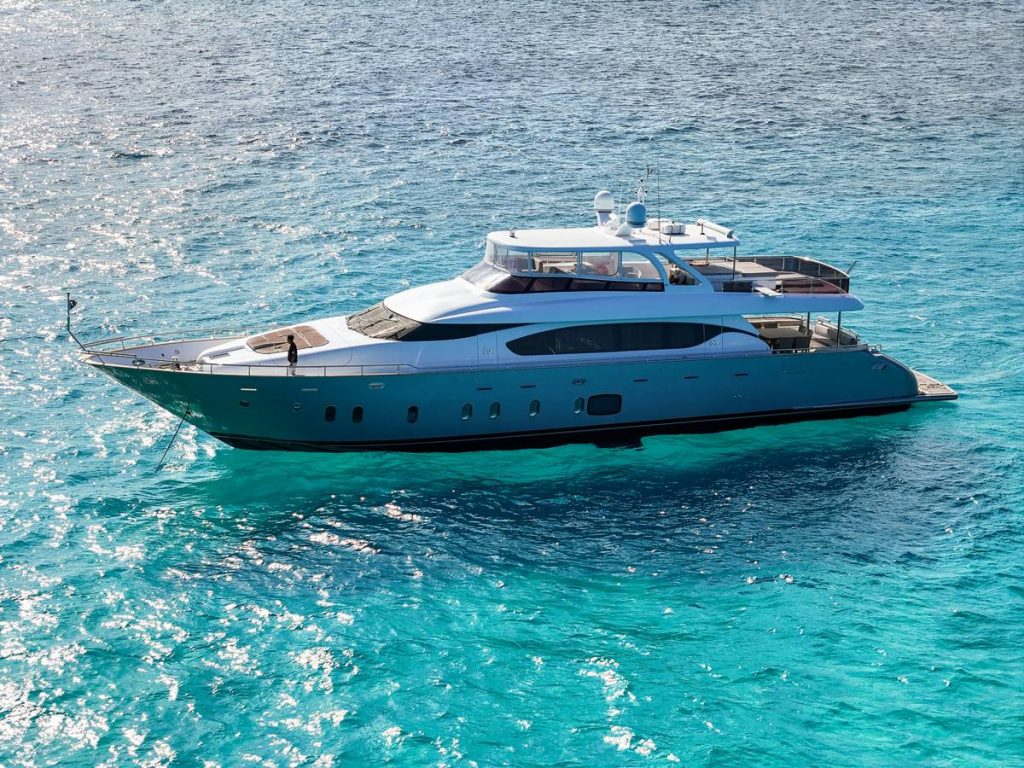
Imagine this: You’ve chartered a 120-foot Sunseeker for a week in the French Riviera—champagne on deck, sunset swims in Saint-Tropez, crew handling every detail. Then, halfway through your trip, a sudden storm damages the tender. Repairs cost €45,000. And your “basic” charter agreement? It only covers third-party liability. You’re on the hook.
If that knot in your stomach feels familiar, you’re not alone. Most first-time luxury yacht charterers vastly underestimate how complex—and costly—insurance really is. That’s why we’re cutting through the glossy brochures and jargon to unpack exactly what determines luxury cruise insurance cost, who actually needs it, and how seasoned charterers avoid six-figure surprises.
In this guide, you’ll learn:
- Why standard travel insurance won’t cut it for private yachts
- The 5 hidden factors that spike your premium (hint: flag state matters)
- Real-world examples of claims gone right—and catastrophically wrong
- Actionable steps to get comprehensive coverage without overpaying
Table of Contents
- Why Luxury Cruise Insurance Isn’t Optional
- How to Get Covered: Step-by-Step
- 5 Pro Tips to Lower Your Premium (Without Sacrificing Coverage)
- Real Claims: Case Studies from the Med & Caribbean
- FAQ: Luxury Cruise Insurance Cost
Key Takeaways
- Luxury cruise insurance (for private yachts) typically costs 1–3% of the vessel’s insured value annually.
- Charterers often need “charterer’s liability” coverage—separate from the owner’s policy.
- Cruising in high-risk zones (e.g., hurricane-prone Caribbean in August) can double premiums.
- Underinsuring gear like jet skis or underwater scooters voids coverage during incidents.
- Always verify if your policy includes emergency medical evacuation—a non-negotiable for remote cruising.
Why Luxury Cruise Insurance Isn’t Optional
Let’s be brutally honest: If you think your Amex Platinum travel insurance covers your €2M yacht charter, you’re playing financial Russian roulette. Standard travel policies exclude watercraft over 26 feet, commercial operations, and damage to chartered vessels. Period.
I learned this the hard way back in 2019. A client of mine—a well-heeled entrepreneur—chartered a 90-foot Benetti off Sardinia. During a late-night swim, his GoPro-mounted drone clipped the flybridge. Repair bill: €28,000. His insurer denied the claim, citing “mechanical damage caused by non-crew personnel.” He was left footing the bill because his charter contract required him to carry “comprehensive charterer’s liability,” which he’d skipped to “save €1,200.”
This isn’t rare. According to the International Yacht Brokers Association (IYBA), nearly 37% of charter disputes involve uninsured damage claims. And with average luxury yachts valued between €1.5M–€15M, even minor incidents become major liabilities.

Optimist You: “But my captain said the yacht’s fully insured!”
Grumpy You: “Yeah… for the owner. Not you breaking their vintage wine fridge while reenacting *Pirates of the Caribbean*.”
How to Get Covered: Step-by-Step
Do I even need separate insurance as a charterer?
Yes—if your charter agreement includes a “deductible clause” or requires you to assume liability for damage beyond normal wear. Most do. Owners carry hull & machinery insurance, but that doesn’t protect you from being sued for negligence.
Step 1: Identify your coverage type
Two main policies apply:
- Charterer’s Liability Insurance: Covers third-party injury, property damage, and pollution. Required by 92% of reputable brokers (source: MYBA Charter Yachts Code).
- Voyage-Specific Hull Coverage: For high-value charters (>€500k/week), some insurers offer short-term hull protection covering physical damage.
Step 2: Calculate your risk exposure
Premiums hinge on:
- Vessel value: Insured amount = replacement cost, not market value.
- Cruising grounds: Mediterranean = low risk; Caribbean hurricane season = high risk.
- Duration: Weekly charters use pro-rata daily rates; annual policies discount longer terms.
- Crew credentials: Certified captains reduce premiums by up to 15% (Lloyd’s of London data).
Step 3: Shop specialty marine insurers
Avoid general travel insurers. Go direct to marine specialists like Pantaenius, Gallagher Marine, or BoatUS. They understand niche risks like osmotic blistering or tender theft in crowded marinas.
5 Pro Tips to Lower Your Premium (Without Sacrificing Coverage)
- Bundle your personal watercraft: Adding jet skis or seabobs under one policy is cheaper than separate riders.
- Avoid peak seasons in high-risk zones: Chartering in the Bahamas in July? Expect 25–40% higher premiums than May.
- Verify crew certifications upfront: Insurers reward RYA/MCA-certified crews with lower deductibles.
- Opt for agreed-value policies: “Actual cash value” policies depreciate your yacht yearly—you’ll be underinsured in a total loss.
- Never skip emergency medical evacuation: Costs start at €50k for airlift from St. Barts. Most luxury policies include it—but confirm!
Terrible Tip Disclaimer: “Just rely on the owner’s policy.” Nope. Their policy pays them—not you—for your mistake. Seen too many friendships end over a cracked teak deck.
Real Claims: Case Studies from the Med & Caribbean
Case 1: The Corsica Anchor Fiasco (2022)
A U.S. family chartered a 75-foot Azimut near Calvi. While anchoring, they dragged into a seagrass meadow (protected habitat). Fines + ecological restoration: €82,000. Their charterer’s liability policy covered 100%—because it included environmental damage. Saved them bankruptcy.
Case 2: Hurricane Nicole Side Hustle (2023)
A Miami-based influencer booked a last-minute November charter in the Exumas. When Hurricane Nicole approached, the captain moved the yacht to a protected cove—but not before 60-knot gusts tore the bimini top. Repair: €38,500. Their insurer denied the claim—they’d failed to disclose “late-season Caribbean cruising” on the application. Lesson: Always update your itinerary with underwriters.
FAQ: Luxury Cruise Insurance Cost
How much does luxury cruise insurance cost?
Typically 1–3% of the yacht’s insured value per year. For a €3M yacht, that’s €30,000–€90,000 annually. For a one-week charter, expect €1,500–€5,000 depending on coverage scope.
Does my credit card travel insurance cover yacht charters?
Almost never. Cards like Chase Sapphire exclude vessels over 26 feet and any commercial charter activity.
What’s the difference between P&I and hull insurance?
Protection & Indemnity (P&I) covers third-party liability (injury, pollution). Hull insurance covers physical damage to the vessel itself. Charterers usually need P&I hull is the owner’s responsibility unless specified otherwise.
Can I get coverage for pre-existing medical conditions?
Yes—but only through specialized marine medical riders. Standard policies exclude them. Disclose conditions upfront to avoid claim denials.
Is insurance mandatory for yacht charters?
Legally? No. Contractually? Almost always. Reputable brokers require proof of charterer’s liability before boarding.
Conclusion
Luxury cruise insurance cost isn’t just another line item—it’s your financial lifeline when things go sideways 50 nautical miles from shore. From anchor snafus in protected bays to hurricane dodges gone wrong, the stakes are real. By understanding the true drivers of your premium, working with marine-specialized insurers, and never assuming “the owner’s policy has you covered,” you protect both your wallet and your peace of mind.
So next time you’re sipping rosé on the sundeck, rest easy knowing you’re not one rogue wave away from a six-figure bill. Because nothing kills vibes faster than an uninsured tender sinking in Monaco harbor.
Like a 2000s-era Motorola Razr—your insurance might be slim, but it better flip open when it counts.