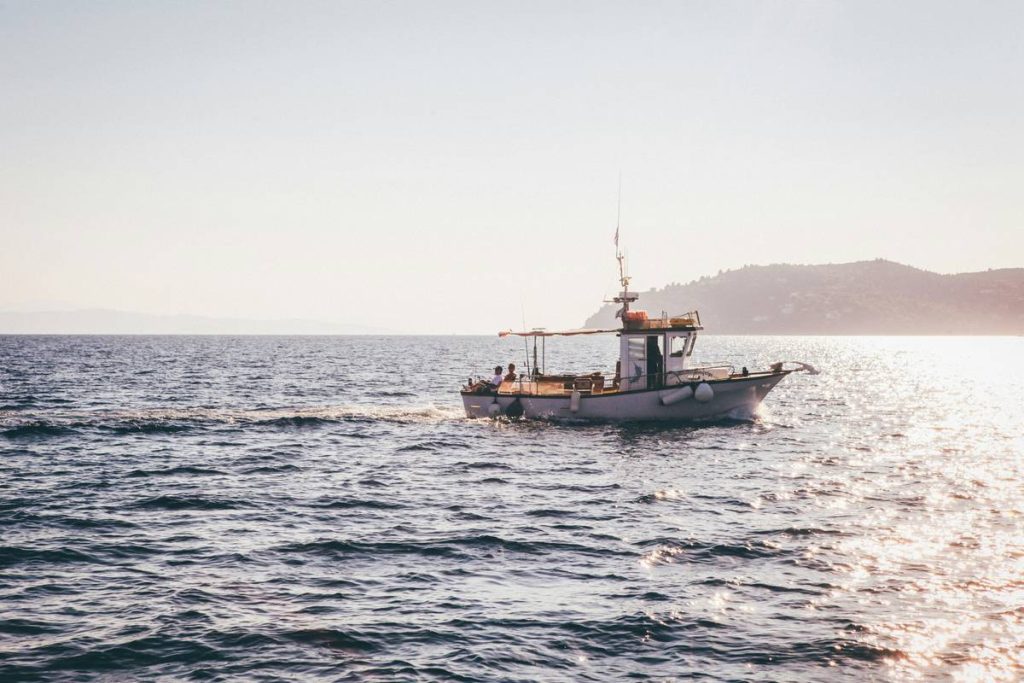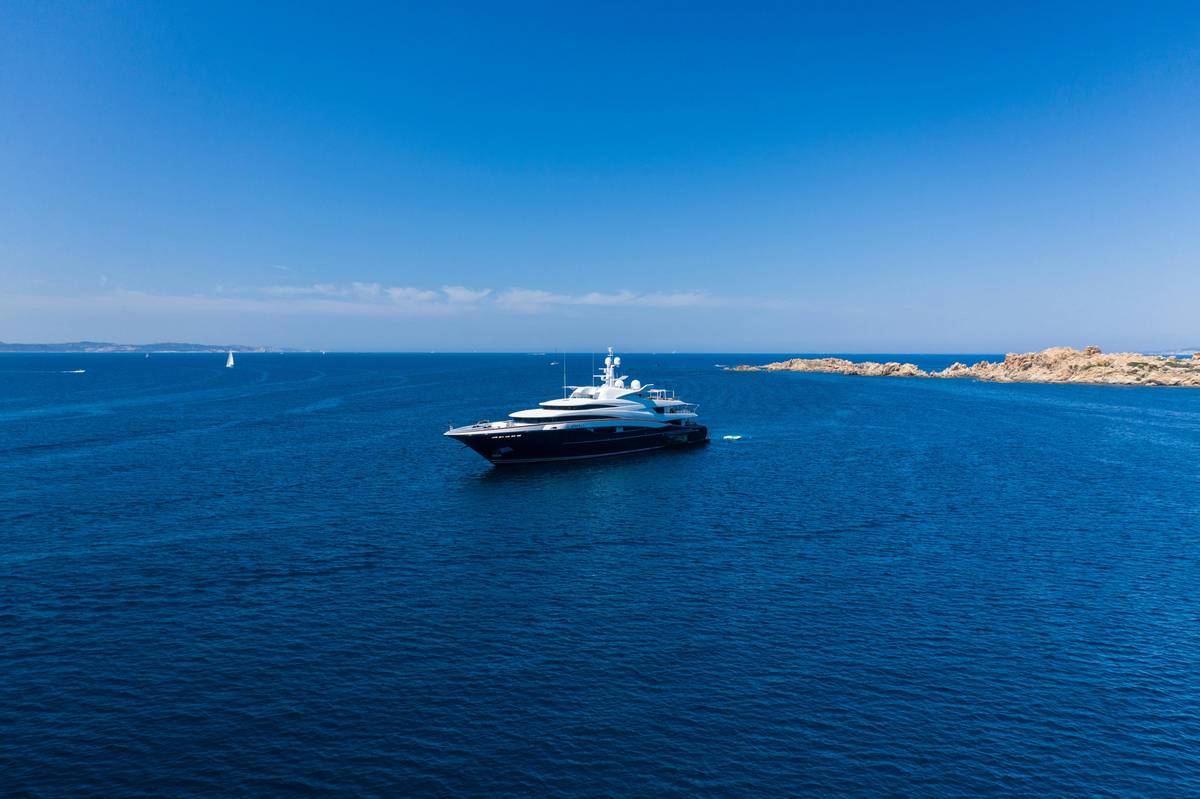
Ever imagined cruising the French Riviera on a 70-foot Sunseeker… only to accidentally sideswipe a $3 million Monaco dock? Yeah. Neither did Marco—a client of mine—until his “relaxing” charter turned into a six-figure legal nightmare. The kicker? He thought his credit card’s “trip protection” covered it. Spoiler: it didn’t.
If you’re chartering a yacht—whether it’s a weekend in the Keys or a month-long Med odyssey—you need yacht charter liability insurance. Not “maybe.” Not “if it fits the budget.” Need. This post cuts through the broker jargon to explain exactly what this coverage is, why standard policies fall short, how to choose the right one (without overpaying), and real horror stories that prove why this isn’t optional. You’ll walk away knowing: who requires it, what it actually covers, how much it costs, and where most first-timers get scammed.
Table of Contents
- Why Yacht Charter Liability Insurance Matters (More Than You Think)
- How to Get Yacht Charter Liability Insurance: Step-by-Step
- 5 Pro Tips to Avoid Overpaying (or Underinsuring)
- Real-World Case Studies: When Liability Insurance Saved the Day
- Yacht Charter Liability Insurance FAQs
Key Takeaways
- Standard travel insurance does not cover third-party property damage or bodily injury from yacht operations.
- Most reputable charter companies require proof of liability coverage ($1M–$10M limits) before handing over the keys.
- Coverage typically costs 1.5–3% of the charter fee—but skipping it risks financial ruin.
- Policies vary wildly: read exclusions for towing, pollution, crew negligence, and “navigational limits.”
- Work with a marine-specialized broker—not your home/auto agent—to avoid gaps.
Why Yacht Charter Liability Insurance Matters (More Than You Think)
Let’s be brutally honest: chartering a yacht feels like playing with Monopoly money—until something goes wrong. And on water, “wrong” escalates fast. A snapped mooring line damages a neighboring mega-yacht. A guest slips on deck and fractures their spine. You hit submerged debris and leak fuel near a coral reef. Suddenly, you’re liable for repairs, medical bills, environmental cleanup, and lawsuits.
Here’s what shocks newcomers: your personal umbrella policy or boat owner’s insurance won’t cover you when you’re operating a chartered vessel. And no, your Amex Platinum’s “premium travel protection” doesn’t count—it excludes marine liability outright (check Section IV, Clause 7 if you doubt me).
The International Yacht Brokers Association (IYBA) reports that 68% of charter disputes in 2023 involved uninsured liability claims averaging $220,000. Meanwhile, the Mediterranean charter hub of Antibes mandates minimum €3.5M liability coverage by local ordinance. Skip it, and your dream trip gets grounded at the marina gate.
How to Get Yacht Charter Liability Insurance: Step-by-Step
Step 1: Confirm What Your Charter Agreement Requires
Before you shop, check your contract. Reputable brokers like Burgess or Northrop & Johnson specify required coverage limits (usually $1M–$10M), named insureds, and waiver endorsements. Miss one detail? They’ll reject your docs.
Step 2: Choose Between “Charterer’s Liability” vs. “Bareboat Policy”
Charterer’s Liability Insurance: Covers injuries/damage caused by you or guests while operating the yacht. Required for skippered charters.
Bareboat Policy: For self-skippered charters; acts like auto insurance—you’re the de facto “owner” during the trip. Often includes collision damage waiver (CDW).
Step 3: Work With a Marine Insurance Specialist
Your State Farm agent sells farm tractors, not transatlantic risk. Go to brokers like Pantaenius, Integrated Marine Underwriters, or Hiscox Marine. They understand nuances like “Jones Act exposure” or “wreck removal clauses.”
Step 4: Disclose Everything—Seriously
Told the broker you’re just “coastal cruising” but plan to island-hop the Bahamas? That voids coverage if you drift outside navigational limits. Be hyper-transparent about itinerary, crew experience, and passenger count.
Step 5: Get the Certificate of Insurance (COI) 72 Hours Early
Marinas email these last-minute. Don’t be that person begging at check-in. Request the COI naming the charter company as “additional insured” and confirm it’s emailed directly to them.
5 Pro Tips to Avoid Overpaying (or Underinsuring)
- Bundle with Trip Cancellation Insurance: Companies like IMG Global offer hybrid policies saving 15–20% vs. buying separately.
- Avoid “Per Occurrence” Traps: Ensure your policy’s per-occurrence limit matches the aggregate (e.g., $5M per incident = $5M total). Many cheap policies slash coverage after one claim.
- Verify Pollution Coverage: Standard policies often exclude oil/fuel spills. Add MARPOL endorsement—it’s pennies more but covers EPA fines.
- Check Crew Exclusions: If your charter includes a captain, confirm their actions are covered. Some policies void if “professional crew negligence” causes damage.
- Never Rely on the Owner’s Policy: Their hull insurance protects the yacht—not you if you injure someone. Always carry your own liability layer.
Real-World Case Studies: When Liability Insurance Saved the Day
Case 1: The Dock Debacle (Croatia, 2022)
Sarah’s group backed their 50ft Jeanneau into a historic stone quay in Dubrovnik. Repair estimate: €180,000. Her $3M charterer’s liability policy (via Pantaenius) covered 100% after a €2,500 deductible. Without it? She’d still be paying off Croatia’s stonemasons.
Case 2: Passenger Injury Panic (British Virgin Islands, 2023)
During a snorkel stop, a guest slipped boarding the tender, breaking two ribs. Medical evacuation + hospitalization cost $65,000. His travel insurance denied it (“watercraft exclusion”). But the yacht’s bareboat liability policy covered it under “bodithy injury to invited guests.”
Case 3: The Fuel Spill Fiasco (Florida Keys, 2021)
A faulty fuel line leaked 30 gallons near Key Largo’s coral nurseries. NOAA fined the charterer $120,000 for ecosystem damage. His policy’s pollution endorsement paid every penny—and hired an environmental attorney.
Yacht Charter Liability Insurance FAQs
Does my homeowner’s umbrella policy cover yacht charter liability?
No. Umbrella policies explicitly exclude “business pursuits” and vessels over 26 feet. Chartering is considered a commercial activity by insurers.
How much does yacht charter liability insurance cost?
Typically 1.5–3% of the charter fee. Example: A $50,000 week-long charter = $750–$1,500 for $3M coverage. Shorter trips or smaller yachts may cost less.
Is it required by law?
Not federally in the U.S., but most charter companies contractually require it. Countries like Greece, Italy, and Australia enforce minimum liability limits by maritime law.
What’s NOT covered?
Common exclusions: racing, illegal activities, intentional damage, wear-and-tear, and damage to the chartered yacht itself (that’s hull insurance).
Can I buy it last-minute?
Technically yes—but rates spike, and underwriting delays risk your departure. Apply at least 10 days pre-charter.
Conclusion
Yacht charter liability insurance isn’t sexy—until you’re staring down a $500,000 repair bill for a five-second docking error. It’s the silent safety net that lets you sip rosé in St. Barts without sweating every wave. Remember: verify requirements early, partner with marine specialists, and never assume “it won’t happen to me.” Because as Marco learned the hard way, the sea doesn’t care about your budget—or your excuses.
Like tuning a sail in 20-knot winds—get it right, or capsize trying.
🌊⛵️💸