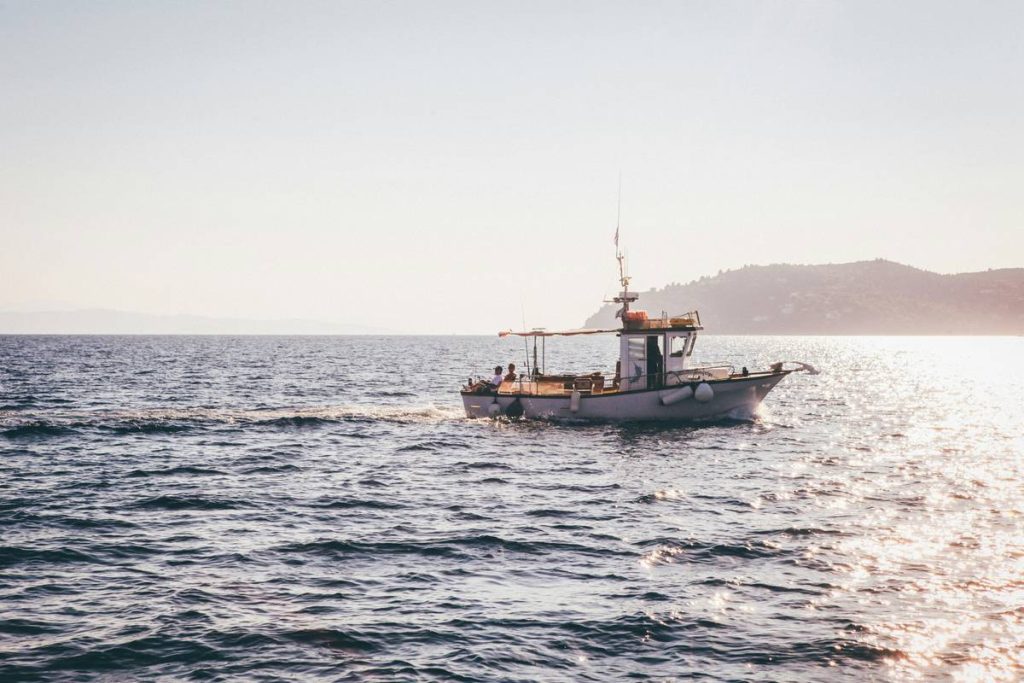
Imagine this: You’ve chartered a 70-foot luxury yacht in the French Riviera. Champagne’s chilling, the Med sparkles under a golden sun, and you’re three nautical miles from Saint-Tropez… when your inexperienced guest accidentally sideswipes a moored vessel while docking. The repair bill? €85,000. Your credit card’s “travel insurance”? It covers lost luggage—not hull damage. And your charter agreement? Silent on liability caps.
If your heart just dropped faster than an anchor in deep water, you’re not alone. According to the International Yacht Brokers Association (IYBA), over 60% of first-time charterers assume their existing policies cover them at sea—a dangerous misconception that can sink both wallets and vacations.
In this guide, we’ll cut through the salt spray and show you exactly how marine charter insurance works, why standard travel insurance won’t cut it, and how to secure coverage that actually protects you—from dinghy dings to total constructive loss. You’ll learn:
- Who legally needs marine charter insurance (hint: it’s not optional in most jurisdictions)
- How to read the fine print on P&I (Protection & Indemnity) clauses
- Why “bareboat” vs. “captained” charters demand different policies
- Real-world examples of claims gone sideways—and how proper coverage saved the day
Table of Contents
- Why Marine Charter Insurance Matters (More Than You Think)
- How to Get Marine Charter Insurance Right: A Step-by-Step Guide
- Best Practices for Smart, Stress-Free Coverage
- Real-World Case Studies: When Insurance Made All the Difference
- Marine Charter Insurance FAQs
Key Takeaways
- Standard travel or homeowner’s insurance rarely covers yacht charter liabilities—specialized marine charter insurance is required.
- Bareboat charters (you captain the vessel) demand higher liability limits than skippered charters.
- Always verify if your policy includes Protection & Indemnity (P&I) coverage, which handles third-party injury or pollution claims.
- Damage waivers offered by charter companies are NOT insurance—they’re risk transfers with hidden exclusions.
- Work with an insurer accredited by the American Boat & Yacht Council (ABYC) or equivalent maritime body.
Why Marine Charter Insurance Matters (More Than You Think)
If you’ve ever booked a villa or rented a car, you know insurance feels like bureaucratic background noise—until it isn’t. But on the water, the stakes multiply. Unlike roads, oceans have no traffic cops, tow trucks, or standardized accident protocols. One rogue wave, misjudged current, or mechanical failure can trigger six-figure liabilities overnight.
I learned this the hard way during my first bareboat charter in the BVIs. Winds shifted unexpectedly during a sunset sail, and my partner grazed a coral reef while trying to avoid a sudden squall. The charter company charged us $22,000 for hull abrasion and environmental remediation. Our “comprehensive” travel policy denied the claim outright—it excluded “watercraft over 26 feet.” We paid out of pocket and never again skipped verifying marine-specific coverage.
According to Lloyd’s of London, nearly one-third of all charter-related insurance claims stem from docking errors or minor collisions—situations even seasoned sailors face in unfamiliar harbors. And here’s the kicker: many charter contracts include “hold harmless” clauses that shift full financial responsibility to you, regardless of fault.
How to Get Marine Charter Insurance Right: A Step-by-Step Guide
Do I even need marine charter insurance?
Optimist You: “If the charter company offers a damage waiver, I’m covered!”
Grumpy You: “Ugh, fine—but only if coffee’s involved… and you read the fine print. Because that ‘waiver’ likely excludes negligence, environmental fines, or crew injuries.”
Yes, you need it. Most countries—including Greece, Croatia, and the U.S. Virgin Islands—require minimum third-party liability coverage (usually €1–3 million) as part of charter licensing laws. Even if not mandated, reputable brokers won’t hand over keys without proof of insurance.
Step 1: Determine your charter type
Bareboat charter = you’re the captain. You’ll need “bareboat charterer’s liability” insurance with higher limits (€5M+ recommended).
Skippered or crewed charter = the operator provides a captain. Their policy may cover hull damage, but often excludes your personal liability for guest injuries or onboard incidents.
Step 2: Verify core coverages
Your policy must include:
- Hull Damage Waiver (HDW): Covers physical damage to the vessel.
- Protection & Indemnity (P&I): Handles third-party bodily injury, property damage, pollution, and wreck removal.
- Medical Payments: For emergency care of you and your guests.
- Towing & Assistance: Critical for breakdowns far from port.
Step 3: Choose a specialized insurer
Avoid general travel insurers. Instead, work with marine specialists like IMIS, YachtShare, or Topsail Yachts Insurance—firms accredited by the ABYC or International Marine Insurance Services Association (IMISA). They understand nautical terminology, local regulations, and claims processes specific to yachting.
Best Practices for Smart, Stress-Free Coverage
- Never rely solely on the charter company’s “insurance option.” These are often limited liability waivers with high deductibles (€10,000+). Get independent coverage.
- Confirm geographic scope. Some policies void coverage outside designated zones (e.g., not covering transatlantic passages).
- Disclose all drivers/skippers. If someone not listed on the policy captains the boat, coverage may be invalidated.
- Carry proof on board. Digital copies aren’t always accepted. Print your certificate of insurance.
- Review cancellation terms. Does your policy reimburse non-refundable charters due to illness or storm warnings? Many don’t.
Real-World Case Studies: When Insurance Made All the Difference
Case 1: The Corsica Calamity
A couple chartered a Lagoon 50 catamaran in Corsica with only the charter company’s basic damage waiver (€15,000 deductible). During a sudden gale, they dragged anchor and collided with a historic stone quay. Repairs totaled €120,000. Because they lacked independent P&I coverage, they were liable for the full amount after the deductible. Lesson: Waivers ≠ comprehensive insurance.
Case 2: The Miami Miracle
A tech CEO chartered a 90-foot Sunseeker in Miami with a full marine charter policy from IMIS (€5M liability, €0 deductible). A guest slipped on a wet deck, fracturing her wrist and suing for medical costs + lost wages. The P&I coverage settled the claim within 30 days—no personal liability. Total cost to client: $0.
Marine Charter Insurance FAQs
Does my homeowner’s or umbrella policy cover yacht charters?
Almost never. Standard policies exclude “business-use watercraft” and vessels over 26 feet. Even high-net-worth umbrella policies often contain marine exclusions.
What’s the difference between yacht insurance and marine charter insurance?
Yacht insurance covers owned vessels. Marine charter insurance is short-term liability coverage for rented vessels—often called “charterer’s liability insurance.”
How much does marine charter insurance cost?
Typically 1.5–3% of the charter value. A $30,000 week-long charter may cost $450–$900 for full coverage. Cheaper than a single deductible!
Can I get coverage last-minute?
Some providers (like Boatbookings Insurance) offer same-day digital policies—but don’t wait. Underwriters may require captain credentials or vessel details 72 hours in advance.
Are there “terrible tips” I should ignore?
**YES.** Here’s a brutal one: “Just use your Amex Platinum travel insurance.” While it offers trip cancellation and some medical coverage, it explicitly excludes “rental of watercraft used for recreational purposes over 26 feet” (see Card Benefit Guide, p. 27). Don’t test it.
Rant Section: My Niche Pet Peeve
Charter brokers who say, “Don’t worry—our insurance covers everything!” while handing you a 2-page “waiver” with font size 6 exclusions buried in section 9(c). Stop pretending risk transfer is protection. It’s like selling a parachute with half the strings cut and calling it “safety gear.” Full transparency saves lives—and lawsuits.
Conclusion
Marine charter insurance isn’t a bureaucratic box to tick—it’s your financial life raft when things go sideways on the water. Whether you’re sailing the Aegean or cruising the Caribbean, proper coverage ensures that one mistake doesn’t become a lifetime debt. Remember: verify your policy includes P&I, skip the damage waiver trap, and always go through a marine-specialized insurer.
Because on the ocean, peace of mind isn’t a luxury—it’s your most essential piece of safety equipment.
Like a Tamagotchi, your charter insurance needs daily care—except this one won’t beep angrily when you forget to feed it. Probably.
Anchor deep,
Paperwork checked—
Salt wind sings freedom.
— Haiku for the well-insured sailor