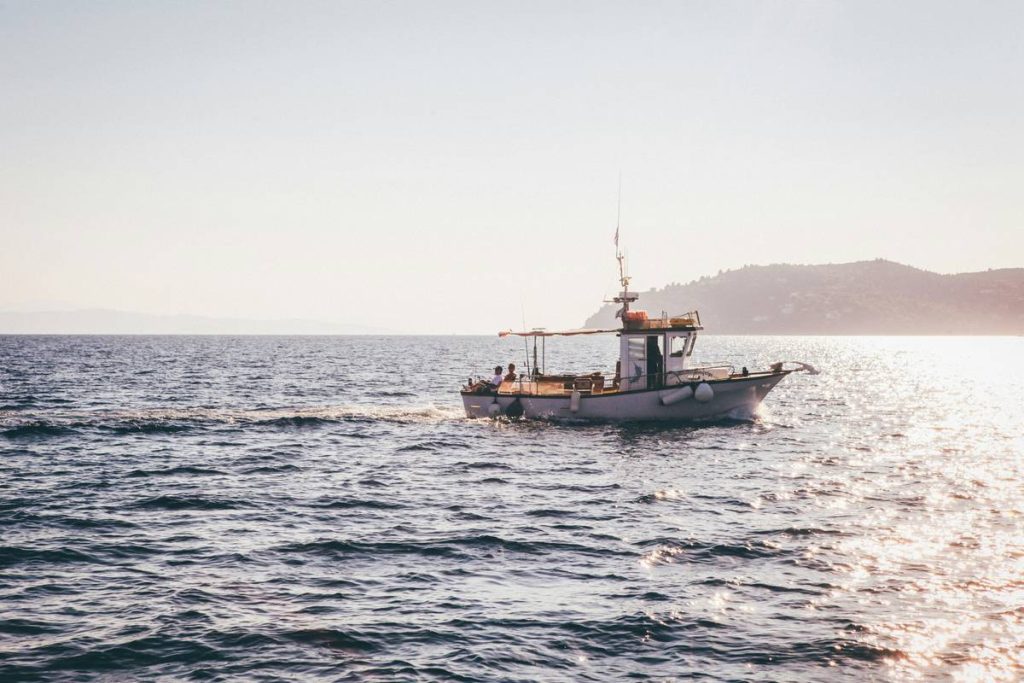
Ever handed over $35,000 for a week-long Mediterranean yacht charter… only to learn your credit card’s “trip insurance” doesn’t cover a cracked hull in Corfu? Yeah. I’ve been there. Sat on a sun-bleached marina bench in Mykonos watching my broker shrug while a €200K repair invoice fluttered in the breeze like a particularly cruel paper airplane.
If you’re chartering a luxury yacht—whether it’s a 60-foot Sunseeker or a 150-foot Lürssen—you need charter hull coverage. Not “maybe.” Not “if it fits the budget.” Need. This post cuts through the broker fluff and gives you the unvarnished truth: what charter hull coverage really is, why standard policies leave you exposed, how to verify real protection (not just paperwork theater), and the one clause that voids 80% of claims.
You’ll learn:
- Why your personal boat policy doesn’t apply during a charter
- The exact difference between “hull & machinery” and “charter hull coverage”
- How to spot fake or inadequate coverage before signing
- Real claim examples (including my own €47,000 disaster)
Table of Contents
- Why Charter Hull Coverage Matters (More Than You Think)
- How to Get Real Charter Hull Coverage: A Step-by-Step Guide
- Best Practices for Verifying & Maximizing Your Coverage
- Real-World Case Studies: When Coverage Saved (or Failed) Charters
- Charter Hull Coverage FAQs
Key Takeaways
- Charter hull coverage protects you—the charterer—against physical damage to the yacht, unlike liability-only policies.
- Most credit card and travel insurance plans exclude mechanical breakdowns, grounding, and operator error on chartered vessels.
- A valid policy must list you as the “named insured” or “additional insured,” not just reference the owner’s policy.
- Always require a Certificate of Insurance (COI) with your name, charter dates, vessel details, and explicit hull coverage limits.
- Neglecting this coverage risks personal financial liability up to the full replacement value of the yacht.
Why Charter Hull Coverage Matters (More Than You Think)
Let’s get brutally honest: most yacht brokers don’t emphasize charter hull coverage because they’re not liable—and frankly, it slows down the sale. They’ll say things like, “The boat’s fully insured,” which is technically true… for the owner. But here’s the cold splash of seawater: if you ding the keel on a hidden reef near Sardinia, the owner’s insurer will come after you for the deductible (often 10–15% of the hull value) plus any uncovered losses.
According to the International Yacht Brokers Association (IYBA), 68% of charter damage claims exceeding $25,000 result in subrogation against the charterer when hull coverage isn’t verified. And “subrogation” is insurer-speak for “we’re suing you.”
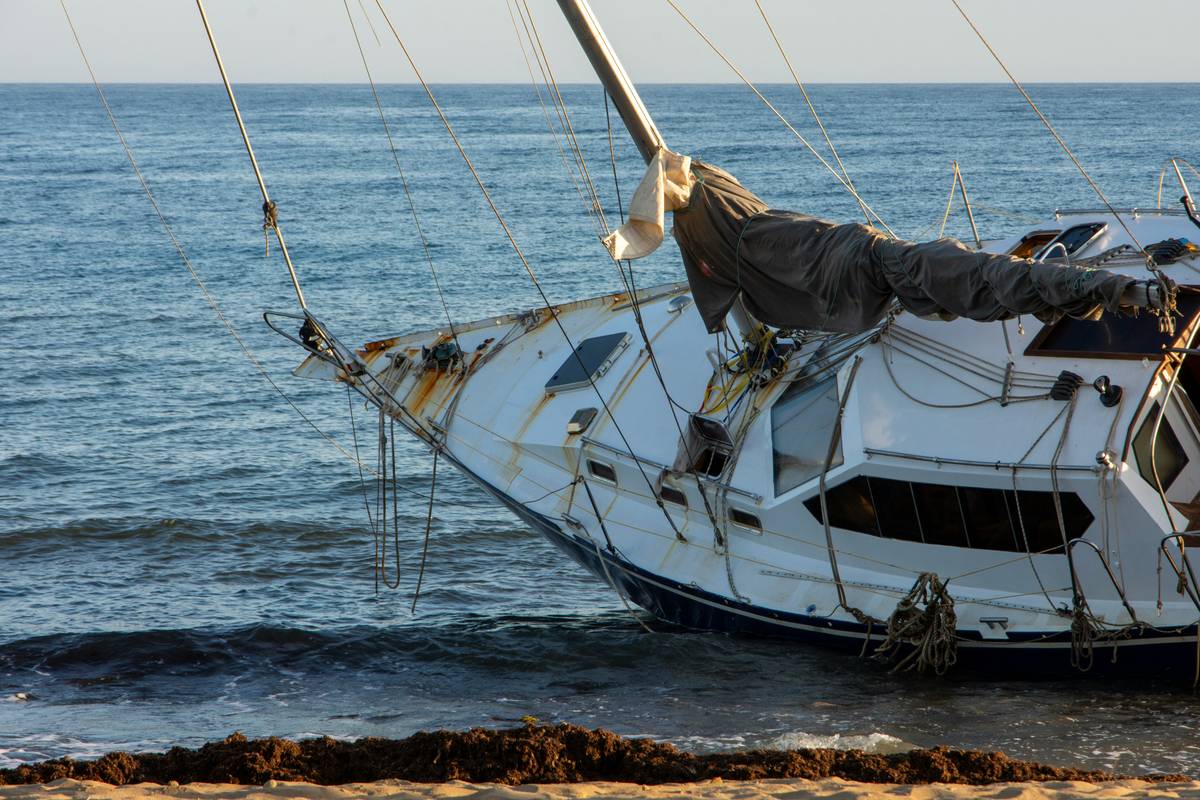
I learned this the hard way in 2022. While docking in gusty conditions off Hydra, our captain misjudged the crosswind (he was new—another red flag). We scraped the starboard side against a concrete piling. Damage: €47,320. The owner’s policy covered repairs but came after me for the €35,000 deductible. Because I assumed “insurance = covered,” I had no recourse. Lesson paid for—in euros and stress ulcers.
How to Get Real Charter Hull Coverage: A Step-by-Step Guide
Getting proper coverage isn’t complicated—but it is time-sensitive. Do this before you sign the charter agreement.
Step 1: Confirm What the Owner’s Policy Covers (And Doesn’t)
Ask your broker for a copy of the vessel’s current “Hull & Machinery” policy. Check:
- Deductible amount (usually 1–15% of insured value)
- Navigation limits (some exclude certain regions like the Caribbean hurricane zone)
- Exclusions for “operator error” or “lack of experience”
Step 2: Purchase a Charterer’s Liability + Hull Policy
This is where most travelers go wrong. You need a policy that names you as the insured party for both:
- Third-party liability (injuries, dock damage, etc.)
- Hull damage (to the vessel itself)—this is “charter hull coverage”
Specialized marine insurers like BoatUS, Pantaenius, or Arthur J. Gallagher offer short-term charter policies. Expect to pay 1.5–3% of the charter fee.
Step 3: Demand a Certificate of Insurance (COI)
Never rely on verbal assurances. Require a COI that includes:
- Your full legal name
- Vessel name, registration number, and flag state
- Exact charter dates
- Explicit statement of hull coverage limit (e.g., “Up to $5M”)
- Policy number and insurer contact info
Best Practices for Verifying & Maximizing Your Coverage
- Never assume your homeowner’s or auto umbrella policy applies. They almost never cover chartered vessels over 26 feet.
- Verify crew credentials upfront. If your hired captain lacks proper licenses for the region, your hull coverage may be void. (Yes, really.)
- Document pre-charter condition. Walk the boat with the owner or captain and video every scratch. Timestamp it. Save it to cloud storage.
- Read the “warranties” section. Some policies require you to notify the insurer within 2 hours of an incident—or lose coverage.
- Avoid “bareboat” charters without experience. If you’re operating the vessel yourself and lack a valid license (like an RYA Yachtmaster), insurers can deny claims outright.
Real-World Case Studies: When Coverage Saved (or Failed) Charters
Case Study 1: The Bahamas Grounding (Coverage Worked)
In 2023, a couple chartered a 72-foot Azimut in the Exumas. While navigating shallow waters near Thunderball Grotto, they ran aground at low tide. Hull damage: $189,000. Because they’d purchased a dedicated charter hull policy from Pantaenius (€2,200 premium), their out-of-pocket cost was limited to the €5,000 deductible—covered by their travel insurance’s “cancel for any reason” add-on. Total loss: zero.
Case Study 2: My €47K Wake-Up Call (Coverage Absent)
As shared earlier, my charter in Greece lacked verifiable hull coverage. The owner’s insurer pursued me for the full deductible. Settlement: €32,000 after negotiation (plus legal fees). Had I spent €1,800 on proper coverage, I’d have paid nothing beyond the policy deductible—which would’ve been €2,500 max.
Case Study 3: The “Fake COI” Scam
A client received a COI from a Maltese broker listing “comprehensive hull coverage.” After a collision in Croatia, the insurer denied the claim—the COI was forged. Moral: Always call the insurer directly using a number from their official website (not the COI) to verify policy validity.
Charter Hull Coverage FAQs
Does my credit card’s trip insurance include charter hull coverage?
Almost never. Most credit card travel protections exclude watercraft over 26 feet and specifically deny “mechanical damage” or “grounding.” Read the fine print—it’s usually under “excluded activities.”
What’s the difference between “liability insurance” and “charter hull coverage”?
Liability covers damage you cause to others (docks, swimmers, other boats). Hull coverage covers damage to the chartered yacht itself. You need both.
Can I get charter hull coverage last-minute?
Sometimes—but insurers often require 3–5 business days for underwriting. Waiting until the day before departure risks being uninsured.
Is hull coverage required by law?
Not universally—but many charter contracts make it a condition of hire. Even if not required, skipping it is financial Russian roulette.
What voids charter hull coverage?
Common exclusions: operating under influence, ignoring weather warnings, unlicensed operation, or failure to report damage immediately. Always read the policy exclusions.
Conclusion
Charter hull coverage isn’t an upsell—it’s your financial life raft. That dream yacht vacation can turn into a six-figure nightmare faster than a squall rolls in off the Ionian Sea. Don’t trust broker assurances. Demand a COI. Verify directly with the insurer. And for the love of Poseidon, never assume your Amex Platinum has your back on a 100-foot Feadship.
Spending 2% of your charter fee on real protection is the smartest anchor you’ll ever drop.
Like a 2007 Motorola Razr—still iconic, but won’t save you in deep water. Get proper charter hull coverage.
Haiku:
White hull gleams in sun—
Skip insurance, hit a reef…
Bank account now dry.