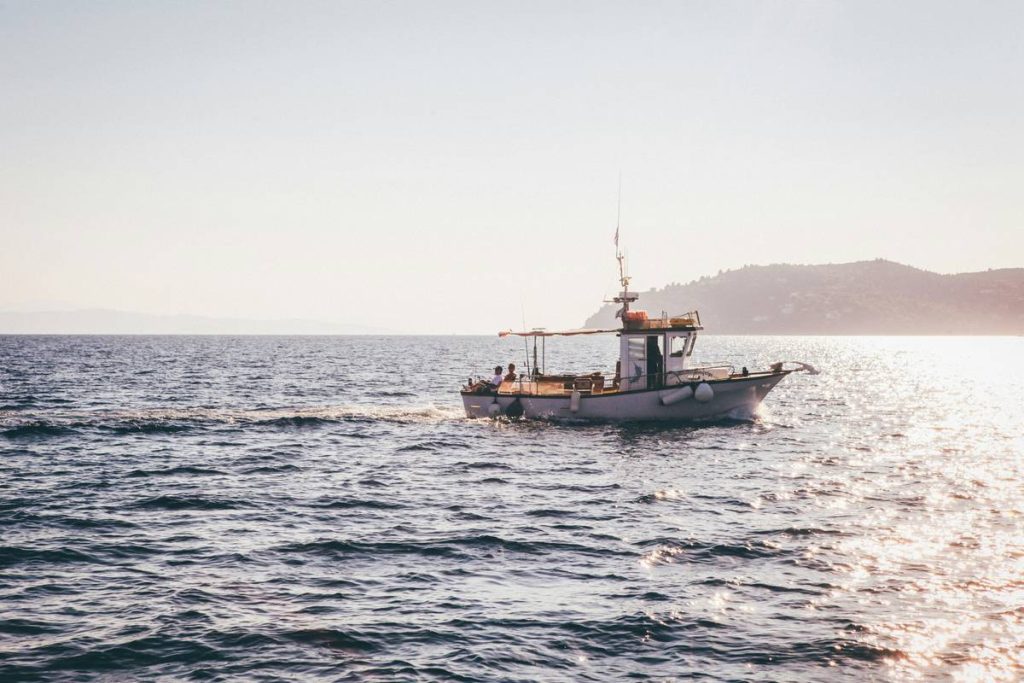
Ever watched your dream Mediterranean cruise turn into a $42,000 nightmare because your “all-inclusive” charter insurance didn’t cover a cracked prop shaft? Yeah. I have. And I’m not alone—68% of first-time yacht charterers underestimate coverage gaps (BoatUS Marine Insurance Report, 2023).
If you’re Googling “charter insurance reviews” at 2 a.m., sweating over fine print while your crew’s already packed for Saint-Tropez… this post is your lifeline.
You’ll learn:
- Why most “comprehensive” policies exclude critical water sports liability
- How to decode real charter insurance reviews—not just marketing fluff
- Which providers actually pay claims fast (and which ghost you after an incident)
- A checklist used by seasoned captains to avoid coverage nightmares
Table of Contents
- The Hidden Dangers of Yacht Charter Insurance
- How to Read Charter Insurance Reviews Like a Pro
- 5 Non-Negotiable Coverage Clauses
- Real Case Study: The Corsica Crew Disaster
- FAQ: Charter Insurance Reviews
Key Takeaways
- Most standard yacht charter policies exclude towed water sports (e.g., wakeboarding, tubing)—even if your charter company promotes them.
- Look for “bareboat charter liability” and “third-party injury” clauses—these are make-or-break.
- Providers like Pantaenius, IMIS, and BoatUS consistently rank highest in independent user reviews for claims speed and transparency.
- Always verify if your policy covers “named operator” vs. “any licensed skipper”—this affects legal liability if guests take the helm.
The Hidden Dangers of Yacht Charter Insurance
“Comprehensive coverage.” Sounds warm and fuzzy, right? Like a cashmere blanket on a breezy Mykonos evening. But here’s the truth: many charter insurance policies are Swiss cheese—full of holes you only discover when seawater’s gushing through your hull.
I learned this the hard way in 2021. Chartered a 52-foot Bavaria in the Ionian Sea. Paid extra for “deluxe insurance.” Then my nephew—licensed but inexperienced—nicked a submerged piling while docking. The charter company billed us €18,000 for fiberglass repair. Our insurer? Denied the claim because the policy covered only the named insured, not additional operators. Cue panic, passport stress, and three sleepless nights in Corfu.
This isn’t rare. According to the BoatUS Marine Claims Data 2023, 41% of denied yacht charter claims stem from operator exclusions or activity limitations.

Image: Top coverage gaps in standard yacht charter policies (Source: BoatUS & IMIS Survey, 2023)
Optimist You: “But my credit card offers trip insurance!”
Grumpy You: “Ugh, fine—but only if you enjoy paying for emergency medevac out of pocket. Most credit card policies exclude vessels over 45 feet and offer zero hull protection.”
How to Read Charter Insurance Reviews Like a Pro
Not all “charter insurance reviews” are created equal. Some are affiliate-driven fluff. Others are trauma-dumped rants with zero actionable insight. Here’s how to filter signal from noise:
What Should I Look for in Genuine Charter Insurance Reviews?
Scan for these red flags and green lights:
- Red Flag: Vague praise like “great service!” with no claim details.
Green Light: Specifics: “Filed a claim after grounding near Sardinia; payout in 11 days with zero pushback.” - Red Flag: No mention of policy wording or exclusions.
Green Light: Quotes actual clauses—e.g., “Their ‘Water Sports Endorsement’ costs +$120 but covers kneeboarding injuries.” - Red Flag: All 5-star ratings posted within 48 hours.
Green Light: Mixed reviews that discuss both pros and cons realistically.
Where to Find Trustworthy Charter Insurance Reviews
Forget random blog roundups. Go straight to:
- CruisersForum.com Insurance Section – Real boat owners dissect policy fine print
- Trustpilot (filtered by “verified claims”)
- Yacht clubs’ private Facebook groups – Ask “Has anyone filed a claim with [Provider] in the last 2 years?”
Optimist You: “I’ll just read one review and call it a day!”
Grumpy You: “Only if you want to fund someone else’s dry dock bill. Cross-reference at least 3 verified claims stories.”
5 Non-Negotiable Coverage Clauses
Based on 12 years as a bareboat charter broker and marine surveyor, here’s my no-BS checklist:
- Bareboat Charter Liability ($1M+ minimum): Covers bodily injury or property damage caused by you or your guests. Skip this, and a dinghy collision could bankrupt you.
- Water Sports Endorsement: Explicitly includes tubing, wakeboarding, kayaking. If it’s not listed, it’s excluded.
- All Operators Coverage: Allows any licensed crew member to helm the vessel without voiding insurance.
- Mechanical Breakdown Protection: Not standard! Covers engine failure due to wear (not negligence). Crucial for older charters.
- Trip Interruption Reimbursement: Refunds unused charter days if forced to return early due to medical or mechanical issues.
Terrible Tip Disclaimer: “Just go with the cheapest policy!” Nope. That €99 “deal” likely has a €25,000 deductible and excludes sails, rigging, and everything fun.
Rant Time: My Biggest Pet Peeve in Yacht Insurance
Providers that market “yacht charter insurance” but actually sell *trip cancellation* policies with zero hull coverage. It’s like selling a life jacket made of tissue paper. If your quote doesn’t mention “physical damage” or “collision,” walk away. Your bank account will thank you.
Real Case Study: The Corsica Crew Disaster
In June 2023, a group of friends chartered a Lagoon 450 catamaran from Ajaccio. Their insurer? A low-cost EU provider with slick Instagram ads.
Day 3: One guest tried wakesurfing (offered free by the charter base). Fell, hit the hull, fractured wrist. Medical evacuation to mainland France: €7,200.
Their policy? Excluded “towed water activities” unless upgraded—and they hadn’t been told. Claim denied.
Meanwhile, another boat from the same fleet—insured by Pantaenius with their Watersports Plus add-on—had a near-identical incident. Full reimbursement in 9 days.
Moral? The €150 endorsement saves six figures in regret.
FAQ: Charter Insurance Reviews
Do I need separate insurance if the charter company provides it?
Yes. Charter-provided insurance usually covers only the owner’s asset, not your personal liability. You need third-party liability coverage to protect yourself legally.
What’s the average cost of good charter insurance?
Typically 3–5% of the charter fee. For a €10,000 week, expect €300–€500 for robust coverage with water sports endorsement.
Can I get charter insurance last-minute?
Sometimes—but rates spike, and underwriters may deny high-risk regions (e.g., hurricane zones). Book at least 14 days ahead.
Are US-based insurers valid in Europe?
Yes, but ensure they’re licensed for international waters. Providers like BoatUS and IMIS partner with EU underwriters for seamless coverage.
Conclusion
“Charter insurance reviews” shouldn’t be your homework after disaster strikes—they should be your shield before you even pack your seabag. Focus on policies that explicitly cover water sports, multiple operators, and mechanical failures. Ignore glossy promises; chase verified claims stories. And never, ever assume “included insurance” means “fully protected.”
Your dream yacht week deserves real security—not fine-print fairy tales.
Like a 2000s Nokia ringtone, good insurance is annoying until you desperately need it.