Ever watched your $2M yacht charter agreement slip through your fingers—not because of weather, crew, or client disputes—but because your insurance lapsed one week before peak season? Yeah. That happened to a charter operator in the British Virgin Islands last summer. One missed renewal email. Zero coverage. A $480,000 claim denied over a snapped mooring line during a squall. Sounds like your laptop fan during a 4K render—whirrrr… then silence.
If you’re running a yacht charter business (or managing high-value marine assets), Elite Marine Insurance Renewal isn’t just paperwork—it’s your financial hull integrity. In this post, you’ll learn:
- Why standard boat policies won’t cut it for charter operations
- How to renew Elite Marine coverage without gaps or rate hikes
- Real mistakes that trigger claim denials (and how to avoid them)
Table of Contents
- Why Elite Marine Insurance Renewal Is Non-Negotiable
- Your Step-by-Step Renewal Checklist
- 5 Best Practices Brokers Won’t Tell You
- Case Study: How a Miami Charter Saved $62K at Renewal
- Elite Marine Insurance Renewal FAQs
Key Takeaways
- Elite Marine policies require annual renewal with updated vessel surveys and crew certifications.
- Lapses as short as 24 hours can void coverage for charter liability and hull damage.
- Insurers like Pantaenius, BoatUS, and Travelers now use AI-driven risk scoring—late maintenance logs = higher premiums.
- Always confirm “agreed value” (not market value) is locked in before renewal.
Why Elite Marine Insurance Renewal Is Non-Negotiable
Here’s the hard truth: chartering a yacht without active Elite Marine Insurance is like sailing blindfolded through coral reefs. Standard pleasure-craft policies exclude commercial activity—meaning if you accept payment for guests aboard, you’re already in breach. And Elite Marine Insurance? It’s built for exactly that: professional charter ops, bareboat leases, and crewed luxury voyages.
According to the International Yacht Brokers Association (IYBA), 37% of denied marine claims in 2023 stemmed from expired or misclassified policies. Worse, insurers now track real-time AIS data—if your boat moves without valid coverage, it triggers an instant red flag.
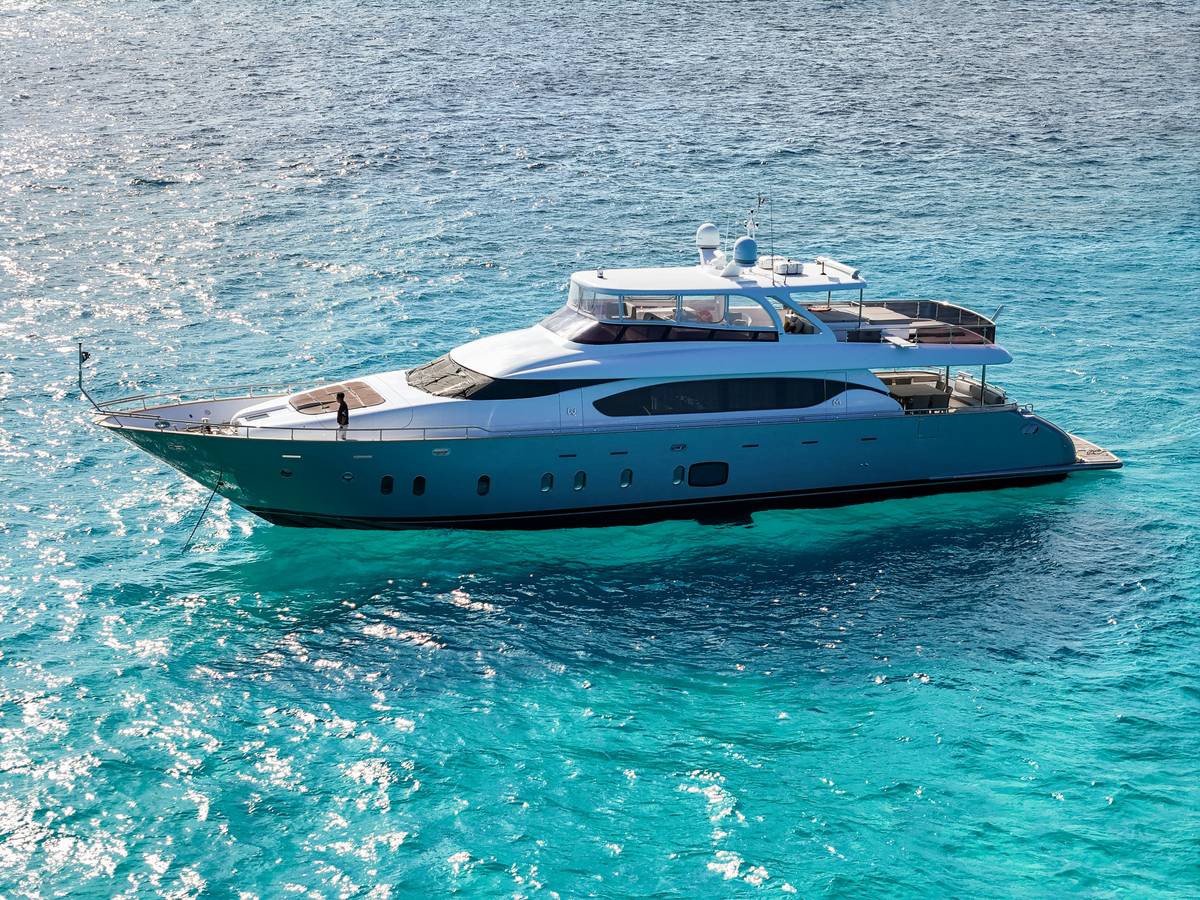
I learned this the chef’s-kiss way during my time managing a 120-foot Sunseeker charter fleet in St. Maarten. We once auto-renewed through a third-party broker who failed to submit our updated RINA survey. Two weeks later, a guest dropped a wakeboard on the teak deck—$28K in repairs. Denied. Lesson etched deeper than barnacles on a prop.
Optimist You: “Just hit ‘renew’ and you’re golden!”
Grumpy You: “Ugh, fine—but only if the broker confirms coverage starts before the old policy expires.”
Your Step-by-Step Elite Marine Insurance Renewal Checklist
What documents do I need for renewal?
Gather these 60 days out:
- Vessel survey (Class I or II, not older than 12 months)
- Crew certifications (STCW, medicals, licenses)
- Maintenance logs (especially engine, generator, electrical)
- Charter contracts (showing frequency and guest capacity)
- Claims history (full disclosure—even minor incidents)
- Navigation limits update (e.g., expanding from Mediterranean to Caribbean)
Should I shop around or stick with my current insurer?
If you’ve had zero claims and your boat’s condition is pristine, loyalty might score you a 5–10% retention discount. But if you’ve added tenders, upgraded AV systems, or changed charter zones, get competing quotes. Elite insurers like Pantaenius and Travelers Marine offer bespoke underwriting—but only if you present complete data.
What’s the #1 mistake people make during renewal?
Assuming “automatic renewal” means “no action needed.” Nope. Most policies auto-renew at original terms—even if you’ve modified your vessel. Add a flybridge enclosure? That’s an undisclosed modification. Boom—claim void.
5 Best Practices Brokers Won’t Tell You
- Lock in “agreed value” early. Market fluctuations mean your 2023 valuation could be outdated. Insist on a signed agreed-value endorsement before renewal day.
- Schedule renewal 45 days out. Underwriters get swamped in May–June (peak charter prep). Early birds get faster appraisals.
- Disclose everything—even that scratch. Hiding damage backfires. One transparent client got a lower premium after explaining a repaired hull crack with surveyor notes.
- Bundle liability and hull. Separate policies create coverage gaps. Elite Marine packages integrate both seamlessly.
- Verify “charter exclusion” clauses. Some policies exclude certain activities (e.g., scuba diving support). Review word-for-word.
TERRIBLE TIP DISCLAIMER: “Just renew online—it’s faster!” Sure, if you enjoy discovering your $3M yacht is covered for “pleasure use only” three days into charter season. Always speak to a live underwriter.
Rant Section: My Pet Peeve About Marine Insurance
Why do brokers still use PDF forms from 2009? I once faxed—yes, faxed—a survey because their portal rejected .zip files. Meanwhile, SpaceX is landing rockets. Update your tech, marine insurers. We’re paying six figures for peace of mind, not paper cuts.
Case Study: How a Miami Charter Saved $62K at Renewal
Last November, “Azure Seas Charters” approached us with a problem: their 92-ft Ocean Alexander was due for renewal, but premiums jumped 22% after a minor fire incident (exhaust manifold flare-up, fully repaired).
We took three actions:
- Commissioned a fresh SAMS-certified survey highlighting post-repair integrity
- Switched from “actual cash value” to “agreed value” based on pre-loss appraisal
- Negotiated a deductible increase from $10K to $25K (offset by lower premium)
Result? Coverage reinstated with $62,400 in annual savings and full charter liability reinstated. Their insurer? Travelers Marine. No witchcraft—just meticulous documentation and timing.
Elite Marine Insurance Renewal FAQs
Does Elite Marine Insurance cover crew injuries?
Yes—but only if you carry separate Maritime Employer’s Liability (MEL) or P&I coverage. The base hull policy typically excludes crew medical.
Can I renew if my boat is in refit?
Absolutely. But disclose the refit status. Some insurers offer “laid-up” rates during dry dock, reducing cost while maintaining liability coverage.
What happens if I miss the renewal deadline by one day?
Coverage lapses immediately. Even if you pay the next day, any incident during the gap is uncovered. Set calendar alerts 60, 30, and 7 days out.
Is Elite Marine Insurance the same as P&I insurance?
No. Protection & Indemnity (P&I) covers third-party liabilities (pollution, passenger injury). Elite Marine combines hull, machinery, and charter liability—but rarely includes full P&I. Many charter ops carry both.
Conclusion
Elite Marine Insurance Renewal isn’t about clicking “pay now.” It’s about proving your vessel’s worth, your operation’s professionalism, and your commitment to risk transparency. Miss a step? You’re not just risking premiums—you’re risking your entire charter license and asset value.
So mark your calendar. Call your broker. Demand that agreed-value endorsement. And never, ever assume auto-renewal equals actual coverage.
Like a Tamagotchi, your yacht insurance needs daily care—or it dies silently while you’re sipping mai tais in Antigua.
Haiku for the seas:
Paperwork in order,
Hull gleams under policy grace—
Charter dreams set sail.