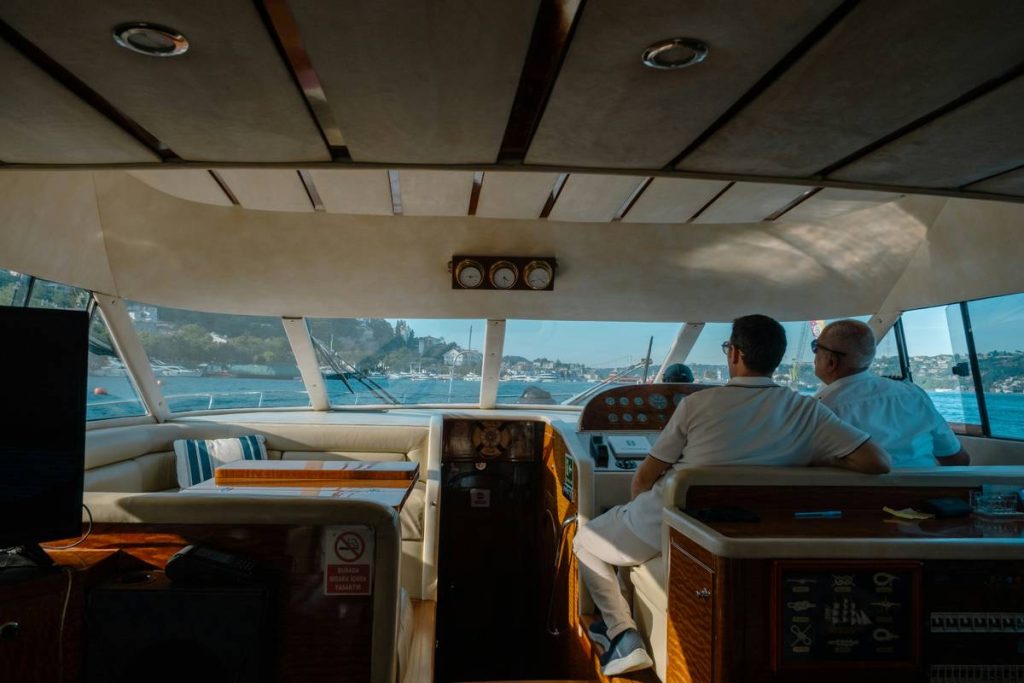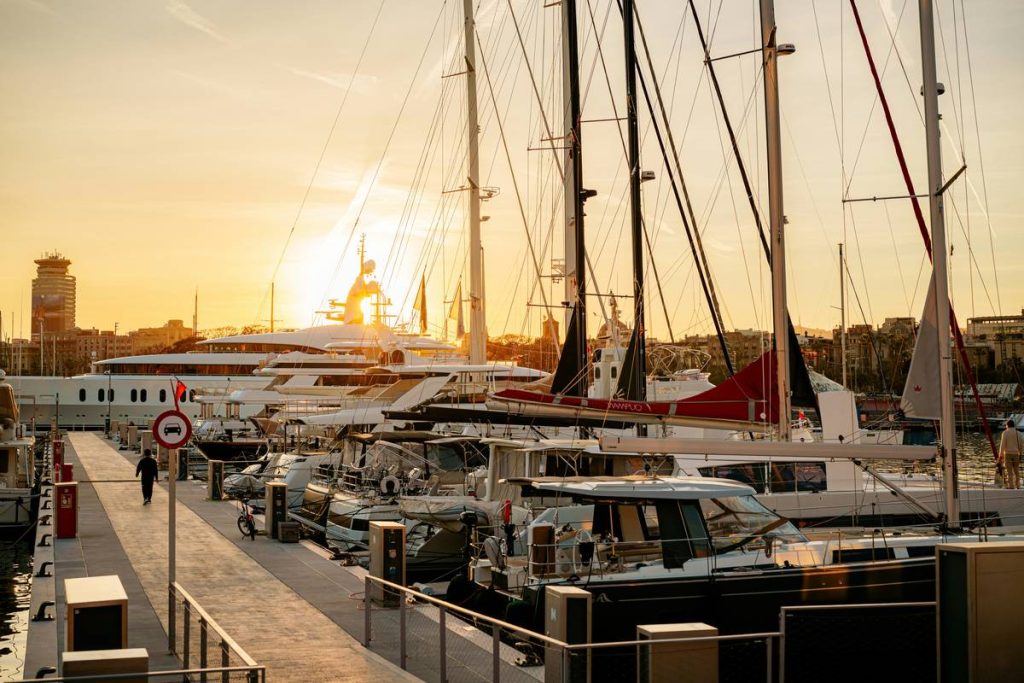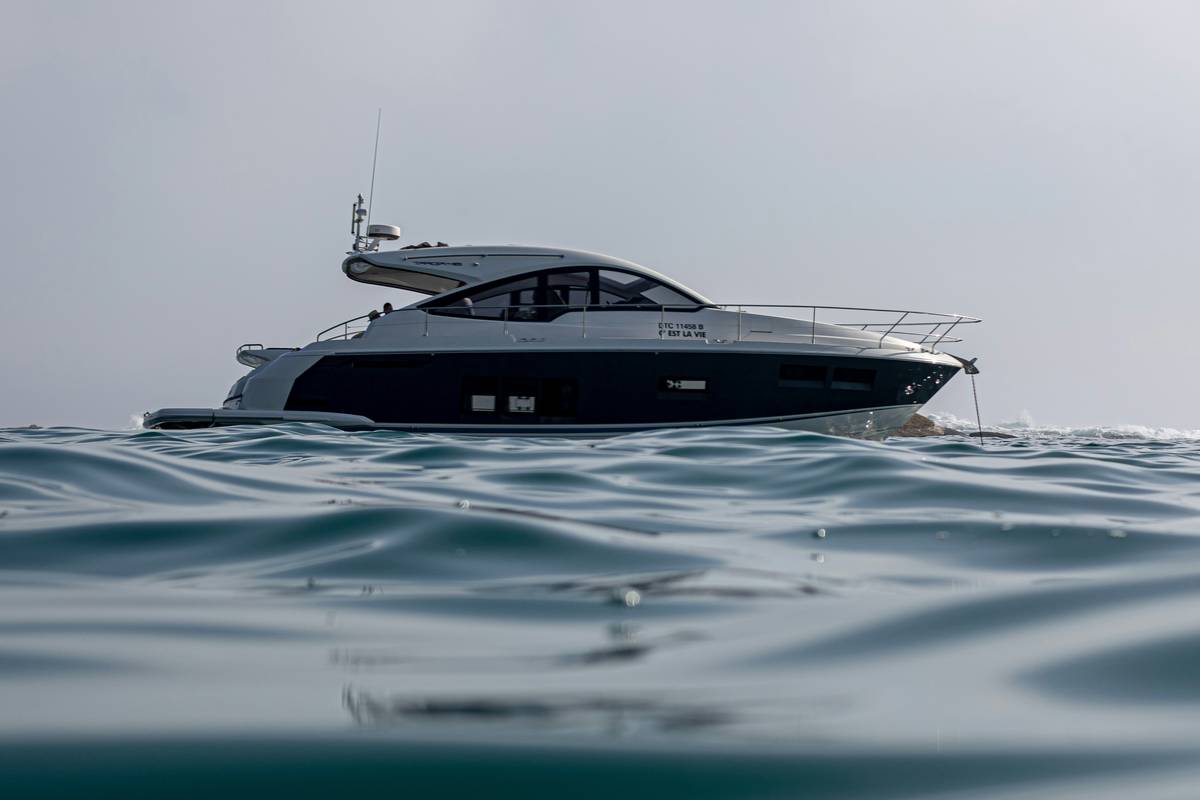
Ever dropped half a million dollars on a week-long charter in the French Riviera—only to realize your “comprehensive” insurance didn’t cover that minor (okay, major) docking mishap in Monaco? Yeah. I’ve been there. Not as the owner—thank Neptune—but as the broker sweating bullets while my client’s 80-foot Sunseeker scraped a €200K gelcoat repair off their policy’s fine print.
If you’re chartering or offering luxury yachts, standard marine insurance won’t cut it. Elite Yacht Charter Policies exist for a reason: they bridge the massive gap between “I thought I was covered” and “Wait—I owe six figures?” In this post, we’ll break down exactly what these specialized policies cover, why generic policies fail high-end charters, how to choose the right one, and real-world lessons from claims that went sideways (and one that saved a client’s reputation). You’ll walk away knowing who needs this coverage, what red flags to spot, and how to avoid becoming a cautionary tale whispered at yacht clubs from Miami to Mykonos.
Table of Contents
- Why Elite Yacht Charter Policies Matter (More Than You Think)
- How to Choose the Right Elite Yacht Charter Policy: A Step-by-Step Guide
- 5 Non-Negotiable Best Practices for Charter Insurance
- Real-World Case Studies: When Policies Saved (or Sunk) a Charter
- Frequently Asked Questions About Elite Yacht Charter Policies
Key Takeaways
- Standard marine insurance rarely covers commercial charter operations—especially for vessels over 65 feet.
- Elite Yacht Charter Policies include third-party liability, hull damage, crew coverage, and protection-and-indemnity (P&I) clauses tailored to high-value use.
- Captain experience, charter destination, and vessel age heavily influence premiums and exclusions.
- Failing to verify charterer qualifications can void coverage—even with an “all-inclusive” policy.
- Always work with a marine underwriter who specializes in superyacht charters—not general boat insurers.
Why Elite Yacht Charter Policies Matter (More Than You Think)
Let’s be brutally honest: most yacht owners assume their pleasure-use policy extends to charter guests. It doesn’t. And brokers? Half of them sell “charter add-ons” that are basically glittery bandaids over bullet holes.
According to the International Yacht Brokers Association (IYBA), over 68% of charter-related insurance disputes stem from misaligned coverage expectations. One common trap? “Charter liability” riders that exclude damage caused by inexperienced captains or non-approved watersports equipment—like that wakeboard towed behind your Azimut without checking local regulations.
I once had a client in St. Barts lose $185,000 after his charterer (a TikTok influencer with 2M followers but zero navigation hours) ran aground trying to film a “luxury sunset reel.” His policy excluded “social media-driven maneuvers.” Yes, that’s a real clause now.

How to Choose the Right Elite Yacht Charter Policy: A Step-by-Step Guide
Who actually needs Elite Yacht Charter Policies?
If your vessel is used for paid charters—even occasionally—and is valued over $750,000, you need one. Full stop. Private yacht insurance excludes “commercial activity,” and most P&I clubs won’t touch bareboat charters without explicit endorsement.
Step 1: Audit your current policy for charter exclusions
Grab your declaration page and Ctrl+F for “charter,” “commercial,” “hire,” and “third-party occupancy.” If any of these trigger exclusions, you’re uninsured during charters. Common gotchas: geographic limits (e.g., no Caribbean storms), crew certification requirements, and minimum captain sea-time.
Step 2: Define your charter model
Are you offering skippered charters, bareboat, or crewed luxury experiences? Each carries distinct risk profiles. Crewed charters need employment practices liability; bareboat requires stringent charterer vetting clauses.
Step 3: Work with a marine specialist—not a general agent
“Optimist You: ‘Just call my regular insurer!’
Grumpy You: ‘Ugh, fine—but only if you enjoy denial letters printed on yacht club letterhead.’”
Specialists like Nautilus Insurance Group, Seafarers’ P&I Club, or Lloyds’ marine syndicates understand nuances like “Red Ensign Group registration implications” or “Malta-flagged VAT complications.” General agents? They’re still Googling what a thruster is.
5 Non-Negotiable Best Practices for Charter Insurance
- Verify charterer credentials in writing. Require proof of boating licenses, prior charter logs, and even credit checks. One unverified charterer sank a Princess Y78 off Ibiza—policy voided due to “unqualified operation.”
- Insist on named-peril coverage for water sports. Jet skis, seabobs, and drones often fall outside standard policies. Add explicit endorsements.
- Confirm cancellation coverage includes geopolitical risks. War clauses matter when chartering near conflict zones (yes, even the Med lately).
- Review sublimit caps annually. That $10M liability limit? Might only cover $500K per passenger injury. Check per-occurrence vs. aggregate limits.
- Document pre-charter inspections. Photos and signed checklists prevent “he said/she said” disputes over pre-existing damage.
Terrible Tip Disclaimer: “Just go with the cheapest quote!” Nope. In 2023, a Florida charter operator chose a budget carrier saving $4,200/year—then paid $390,000 out-of-pocket after a fuel spill incident their policy deemed “environmental pollution” (excluded). Don’t be that guy.
Rant Section: My Pet Peeve
Agents who say, “Oh, it’s covered under ‘miscellaneous marine risks.’” There’s no such thing! Marine insurance is hyper-specific. If they can’t cite the exact clause (e.g., “LMA 3208 – Bareboat Charter Endorsement”), run. Fast. Like your tender’s throttle is jammed open.
Real-World Case Studies: When Policies Saved (or Sunk) a Charter
Case Study 1: The Cannes Collision (Saved)
A 110-foot Benetti chartered during MIPIM collided with a ferry during nighttime transit. Their Elite Yacht Charter Policy included “collision liability” and “port state control defense costs.” Result? Full coverage ($2.1M claim) plus legal fees. Why it worked: Their broker had negotiated a “navigation error” inclusion rider.
Case Study 2: The Unvetted Influencer (Sunk)
As mentioned earlier, the St. Barts grounding. Policy denied due to missing “social media activity” endorsement and unverified captain credentials. Lesson? Even if your charterer has 5M followers, they still need a valid ICC certificate.
These aren’t outliers—they’re Tuesday in high-end charter insurance.
Frequently Asked Questions About Elite Yacht Charter Policies
Do I need Elite Yacht Charter Policies if I only charter occasionally?
Yes. Most private yacht policies contain a “single charter exclusion”—meaning even one paid charter voids coverage for that voyage.
How much do Elite Yacht Charter Policies cost?
Premiums typically range from 1.2%–2.5% of the vessel’s insured value annually, depending on flag state, age, and charter frequency. A $5M yacht might pay $60K–$125K/year.
Can I get coverage for last-minute bookings?
Some syndicates offer short-term (7–30 day) charter policies, but they require 72-hour notice and full documentation. Don’t expect instant e-bindings like travel insurance.
Does this cover my crew?
Yes—but only if your policy includes Employers’ Liability or Jones Act coverage (for U.S.-flagged vessels). Always confirm crew are listed as “insured persons.”
What’s the biggest mistake yacht owners make?
Assuming their charter management company handles insurance. Many don’t—they just facilitate bookings. Ownership of risk remains with the vessel owner unless contractually transferred (rarely done properly).
Conclusion
Elite Yacht Charter Policies aren’t just paperwork—they’re your financial and reputational life raft in the unpredictable seas of luxury boating. From preventing six-figure losses over dock scrapes to covering geopolitical evacuations, the right policy transforms risk into peace of mind. Audit your coverage, demand specificity from brokers, and never assume “charter-ready” means “insurance-ready.” Because out there, between Portofino and Patmos, the only thing more expensive than your yacht is finding out too late it wasn’t truly protected.
Like a Tamagotchi, your charter policy needs daily attention—or it dies quietly while you’re sipping rosé on the flybridge.