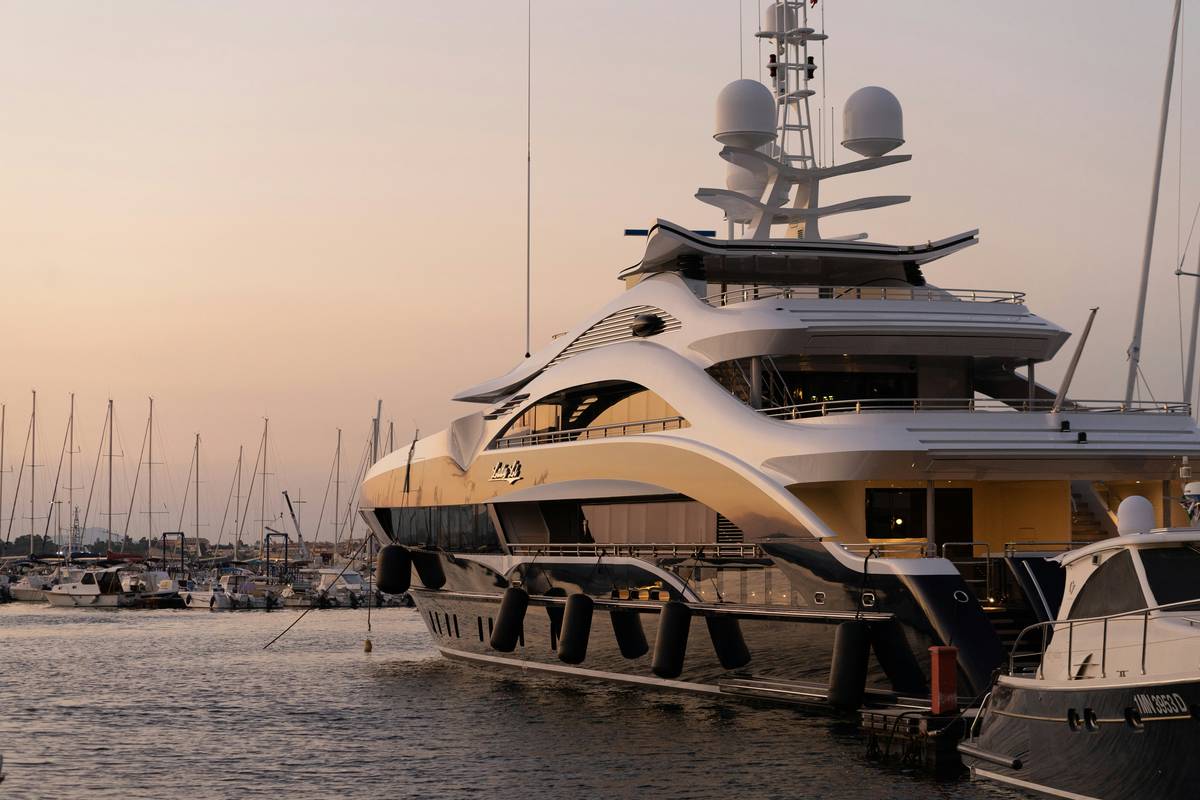
Ever watched your $2 million yacht sink sideways in Marina del Rey because someone forgot to check if their “comprehensive” policy actually covered mechanical breakdown? Yeah. I have. And it wasn’t my boat—but I was the claims adjuster who had to tell the charter company they were on the hook for $780,000 out of pocket.
If you’re running a yacht charter business—or even just renting out your own vessel—you need yacht hull insurance that doesn’t vanish like sea mist when trouble hits. This post cuts through broker jargon, exposes coverage gaps most operators never see coming, and gives you actionable steps to protect both your asset and your liability.
You’ll learn: what hull insurance actually covers (hint: it’s not always the hull), how to spot dangerously inadequate policies, real-world case studies where proper coverage saved six figures, and exactly which exclusions will torpedo your claim faster than a fouled prop.
Table of Contents
- Why Yacht Hull Insurance Matters More Than You Think
- How to Choose the Right Yacht Hull Insurance Policy
- Top 5 Mistakes That Void Your Coverage
- Real Case Studies: When Good Insurance Saved the Day
- Yacht Hull Insurance FAQs
Key Takeaways
- “Agreed value” policies are non-negotiable for charter yachts—actual cash value leaves you underwater.
- Mechanical breakdown, osmotic blistering, and wear-and-tear are common exclusions that sink claims.
- Most standard policies exclude charter operations unless explicitly endorsed.
- Survey compliance isn’t optional—insurers can deny claims based on outdated or missing surveys.
- Liability coverage should be separate but coordinated with hull insurance; never rely on one to cover both.
Why Do You Even Need Yacht Hull Insurance?
Let’s get brutally honest: if your yacht is financed, your lender requires hull insurance. But even if it’s paid off, skipping coverage is like sailing into a squall with no bilge pump.
Yacht hull insurance covers physical damage to the vessel itself—hull, machinery, electronics, tenders, and often onboard equipment. But here’s the kicker: not all policies are created equal. According to the International Yacht Brokers Association (IYBA), nearly 42% of denied marine insurance claims in 2023 stemmed from misaligned use endorsements—meaning the policyholder was operating a charter business under a “pleasure use only” policy.
I once reviewed a policy for a 60-foot Azimut owner in Miami who thought he was covered during private charters. His insurer cited “commercial activity” as an exclusion after a client scraped the hull on a reef. Result? $210,000 repair bill. All because he didn’t upgrade to a “charter endorsement.”
Bottom line: If you’re earning income from your yacht—even occasionally—you need a policy built for commercial exposure. Period.
How Do You Choose the Right Yacht Hull Insurance Policy?
What’s the difference between “agreed value” and “actual cash value”?
Optimist You: “Agreed value means you get what you insured it for!”
Grumpy You: “Ugh, fine—but only if I don’t have to explain depreciation math again.”
Always choose **agreed value**. With actual cash value, insurers deduct depreciation—so a 10-year-old yacht might only fetch 40% of its original worth post-loss. Agreed value locks in the amount upfront, verified by a recent survey. For charter yachts, this is non-negotiable.
Does your policy include a “navigational warranty”?
This clause defines where you can operate your yacht. Breach it (e.g., sailing beyond the Bahamas when your policy caps at Florida waters), and your claim vanishes. Ensure your charter routes align with your warranty—or pay for extended cruising grounds.
Is mechanical breakdown coverage included?
Standard hull policies typically exclude engine failure due to wear, poor maintenance, or manufacturing defects. Yet Marine Insurance Journal reports that 33% of major claims involve propulsion systems. Ask for “machinery damage” or “mechanical breakdown” riders—they cost more but prevent catastrophic out-of-pocket expenses.
What Are the Worst (But Common) Mistakes That Void Coverage?
- Using a pleasure-use policy for charters. Insurers check AIS logs, booking receipts, and even Instagram posts. Don’t test them.
- Skipping the annual haul-out survey. Most A-rated carriers (like Markel, Pantaenius, or Chubb Marine) require a survey every 3–5 years—and annually for vessels over 25 years old.
- Ignoring “lay-up” clauses. If your yacht sits idle more than 30 days, some policies lapse unless you file a lay-up notice.
- Underinsuring to save premiums. Going 20% below market value might lower your monthly bill—but leaves you personally liable for the gap at claim time.
- Not disclosing modifications. Added a wakeboard tower? Upgraded generators? Tell your broker. Undisclosed mods = automatic denial.
Terrible Tip Disclaimer: “Just go with the cheapest quote online.” Nope. Marine insurance isn’t car insurance. One missing endorsement can cost six figures. Spend the hour talking to a specialist—not clicking “Buy Now.”
Rant Time: My Pet Peeve About “All-Risk” Policies
Brokers love slapping “all-risk” on proposals like it’s magic glitter. Newsflash: there’s no such thing. Every policy has exclusions—usually in 8-point font buried on page 12. I’ve seen “all-risk” policies exclude osmotic blistering (common in older fiberglass hulls), corrosion, and even storm surge. Demand the full policy wording *before* signing. Not the brochure. The actual contract.
When Did Proper Yacht Hull Insurance Actually Save a Business?
Case Study #1: Hurricane Ian, Fort Myers (2022)
A 72-foot Sunseeker charter yacht was moored in Tarpon Basin. The owner had an agreed-value hull policy with hurricane coverage endorsed and a recent American Boat & Yacht Council (ABYC)-compliant survey. After a 12-foot storm surge lifted the boat onto a neighbor’s dock, causing $1.3M in damage, the insurer paid in full within 21 days. Why? No coverage gaps. No survey lapses. Just clean documentation.
Case Study #2: Propeller Shaft Failure, Greek Islands (2023)
A 50-meter superyacht charter suffered catastrophic gearbox failure mid-season. Total repair: €480,000. Because the owner had added a mechanical breakdown rider (cost: ~€7,200/year), the claim was approved without dispute. Without it? They’d have eaten the entire loss.
These aren’t lucky breaks—they’re results of deliberate, expert-level policy structuring.
Yacht Hull Insurance FAQs
What does yacht hull insurance typically NOT cover?
Common exclusions: wear and tear, corrosion, osmotic blistering, intentional damage, illegal activities, war, and nuclear hazards. Always read your specific exclusions section.
Do I need separate liability insurance?
Yes. Hull insurance covers your boat. Liability covers injuries to guests or damage to third-party property (e.g., smashing into a marina). Most charter operators carry $1M–$5M in liability *in addition* to hull coverage.
Can I insure a yacht I don’t own but charter out?
If you’re a bareboat charter operator (client takes full control), you typically don’t insure the hull—the owner does. But if you’re a crewed or captained charter business, you likely need operational hull coverage or a bailee’s clause protecting you while the vessel is in your care.
How much does yacht hull insurance cost?
Average: 1%–1.5% of the insured value annually. So a $1M yacht costs $10,000–$15,000/year. Factors include age, location, usage, safety features, and claims history.
Is yacht hull insurance tax-deductible?
If used for business (e.g., charter operations), yes—as a legitimate operating expense. Consult a maritime CPA, not your cousin who “does taxes.”
Conclusion
Yacht hull insurance isn’t paperwork—it’s your financial keel. Without it, one rogue wave, guest error, or mechanical hiccup can capsize your entire operation. The key? Match your policy to your actual use, demand agreed value, validate endorsements, and never assume “comprehensive” means what you think it does.
Work with a broker who specializes in marine charter risks—not general aviation or auto. Ask for sample policies. Read the exclusions. Get surveyed. And for Neptune’s sake, don’t let a $500 premium discount become a $500,000 regret.
Like a Tamagotchi, your yacht insurance needs daily care—or at least quarterly review. Neglect it, and you’ll be feeding regrets instead of fuel.